
Understanding the YouTube Shorts Algorithm
Understanding the YouTube Shorts Algorithm
The YouTube Shorts algorithm is designed to maximize user engagement by effectively recommending clips that align with individual viewer preferences. Leveraging machine learning, the algorithm evaluates user interaction data such as watch history, likes, shares, and the time spent watching specific content. This data is crucial in tailoring a unique content feed that is most likely to capture the user's interest.
A key component of the algorithm is its ability to balance short-term engagement with long-term viewer satisfaction. It achieves this by assessing both the immediate popularity of a video and its relevance to a viewer's broader interests. The combination ensures that even lesser-known creators have an opportunity to gain visibility if their content resonates well with audience preferences.
Unlike traditional YouTube videos, Shorts are often subjected to a more rapid recommendation lifecycle. This means that the initial engagement metrics have a significant impact on the broader reach of a Short. Key factors like viewer retention, comments, and the volume of shares inform the algorithm's decision-making process early on.
- Content engagement: Likes, comments, shares per view.
- Viewer retention: Percentage of video watched.
- User-specific data: Historical interactions and preferences.
The Shorts algorithm continuously refines its recommendations based on real-time feedback, dynamically updating the video feed to reflect changing viewer behavior. This iterative process ensures that content delivery remains timely and relevant, offering creators valuable opportunities to engage with their audience effectively.

Explore vs. Exploit: The Algorithm's Core Mechanism
The YouTube Shorts algorithm employs an "explore versus exploit" strategy to effectively manage which content to display to viewers. This approach involves balancing the exploration of new, potentially engaging content with the exploitation of current popular trends. Initially, the algorithm explores a wide variety of Shorts content by showing new videos to diverse audience segments. This exploratory phase allows the algorithm to collect data on viewer interactions such as watch time, likes, and shares.
Once sufficient data is gathered, the algorithm shifts gears to the exploit stage. Here, it prioritizes and boosts content that has demonstrated high engagement metrics during the explore phase. This dual-stage process helps ensure that both fresh content and established popular videos have the opportunity to reach a broader audience.
- Explore Phase: New Shorts are introduced to a wide audience.
- Exploit Phase: High-performing Shorts are promoted further.
Creators can leverage tools like YouTube Shorts Idea Generator to identify trending topics and optimize their content for both stages of the algorithm. Navigating these stages effectively can significantly impact a creator's visibility and engagement on the platform. Understanding this mechanism is essential for those aiming to optimize their content strategy within YouTube Shorts' dynamic environment.
YouTube Shorts vs. TikTok: Algorithm Similarities and Differences
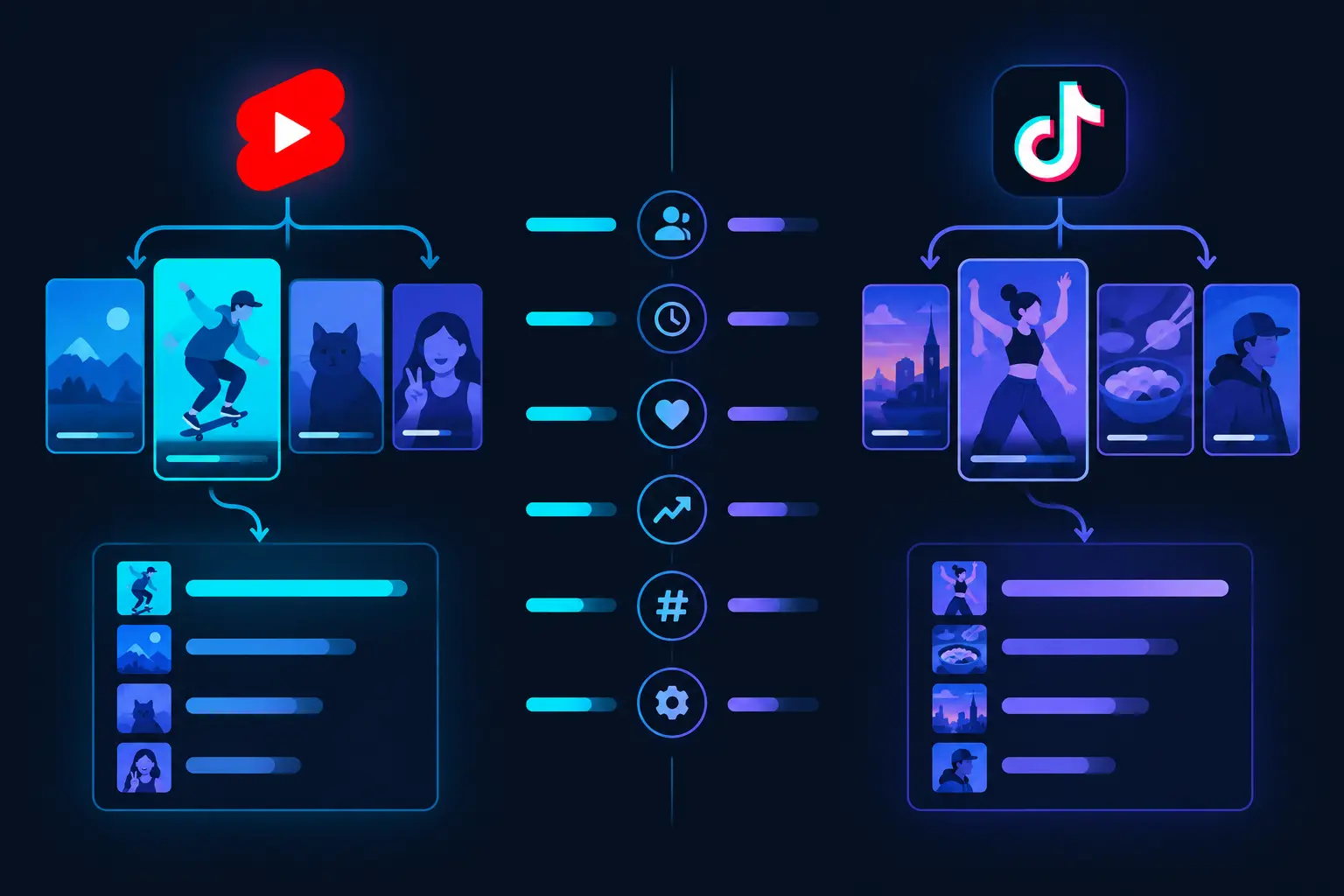
Both YouTube Shorts and TikTok leverage complex algorithms to determine video promotion, yet subtle distinctions in their operation affect content discovery and engagement. At the core, both platforms aim to increase user retention by personalizing content recommendations based on behavioral data. TikTok tends to prioritize rapid learning and suggests a diverse mix of content using a feedback-loop mechanism. This approach helps quickly identify user preferences by evaluating engagement metrics such as watch duration, likes, and shares.
Conversely, YouTube Shorts integrates more strongly with the existing YouTube ecosystem. Utilizing historical data from a user's broader YouTube activity, it aligns Shorts recommendations with long-form content interests. Both platforms measure engagement, but TikTok's model is known for its quick turnover, frequently refreshing content to match dynamic user tastes, while YouTube's approach benefits from deep integration with its search and browse functionalities, potentially enhancing persistent engagement through related interests.
These algorithmic nuances manifest in user experiences, making TikTok the preferred choice for serendipitous discovery, while YouTube Shorts is more amenable to viewers with established content interests. Such differences emphasize the balance each platform strikes between rapid content cycling and sustained engagement, influencing how creators tailor content strategies.
| Aspect | YouTube Shorts | TikTok |
|---|---|---|
| Recommendation Basis | Integrated with YouTube history | Real-time user interactions |
| Content Variety | Alignment with existing interests | Diverse mix for quick preference learning |
| Engagement Tracking | Includes broader YouTube metrics | Focus on immediate engagement signals |
| Algorithm Adaptability | Leverages search and browse data | Frequent updates for dynamic trends |
| User Discovery Experience | More structured and interest-driven | Exploratory and serendipitous |
Factors Influencing Shorts Discovery and Distribution
The visibility and reach of YouTube Shorts are determined by a set of key factors that the platform's algorithm prioritizes. Firstly, engagement is a critical component, encompassing metrics such as likes, comments, shares, and watch time. Shorts with higher engagement rates tend to be favored by the algorithm, thus increasing their visibility in the feed.
Another crucial factor is the completion rate. YouTube values content that captivates users from start to finish, so Shorts that maintain viewer interest throughout are more likely to be promoted. This is because a high completion rate is a strong indicator of compelling content.
In addition to engagement and completion rates, metadata plays a vital role. Appropriate use of titles, descriptions, and hashtags can significantly impact a Short’s visibility. These elements help the algorithm understand the content and match it to user interests more effectively.
External signals also contribute to Shorts’ discovery. For example, if a Short is frequently shared across other social media platforms or gets embedded in blogs, it demonstrates relevance and can lead to increased distribution within YouTube.
- User engagement (likes, comments, shares, watch time)
- Completion rate
- Metadata (titles, descriptions, hashtags)
- External signals (shared links, embeds)
The combination of these factors forms the foundation of the discovery process, determining how Shorts are distributed across YouTube’s ecosystem.
Optimizing Your Content for the Shorts Algorithm
To enhance visibility on YouTube Shorts, focus on crafting content that aligns with the platform's algorithm. Key elements include content relevance, engagement, and format consistency. Start by understanding your target audience's interests and incorporating those themes into your Shorts. This approach increases the likelihood of reaching users genuinely interested in your content, resulting in longer watch times—a critical factor for algorithmic success.
Engagement metrics such as likes, comments, and shares play an essential role in the Shorts algorithm. To boost these metrics, encourage interactions directly in your video. Pose questions, invite opinions, or suggest viewers share the video if they find it helpful or entertaining. Such calls-to-action can lead to higher interaction rates, signaling the algorithm to promote your content further.
Consistency in posting is another crucial factor. Regularly uploading engaging content can help maintain audience interest and prompt the algorithm to recommend your Shorts more frequently. Additionally, the pacing and quality of your videos are vital. Ensure your Shorts are fast-paced and visually appealing to capture attention quickly. Use high-quality video production techniques, even for short content, to stand out amidst the vast pool of Shorts.
- Keep videos concise and focused on a single topic
- Use engaging thumbnails and compelling titles
- Incorporate trending sounds or music where relevant
- Optimize video descriptions and include relevant hashtags
By strategically aligning your content with these elements, you can improve the chances of your Shorts being favorably positioned by the YouTube algorithm, thus reaching a broader audience.

Sample API Call: Fetching YouTube Shorts Data
Captapi enables developers to easily access data from YouTube Shorts through a straightforward REST API. This section illustrates how to fetch details about YouTube Shorts using Captapi. You can retrieve information by specifying the desired YouTube channel or video ID. Below, we provide a sample API request using both curl and Python to demonstrate how you can integrate this into your application.
First, ensure you have your Captapi API key handy, as you will need it to authenticate your requests. In this example, we will fetch the data associated with a specific YouTube Shorts video ID. This will include details such as views, likes, comments, and the video's description.
curl -X GET "https://api.captapi.com/youtube/shorts" \
     -H "Authorization: Bearer YOUR_API_KEY" \
     --data-urlencode "video_id=SHORTS_VIDEO_ID"

import requests

url = "https://api.captapi.com/youtube/shorts"
headers = {
    "Authorization": "Bearer YOUR_API_KEY"
}
params = {
    "video_id": "SHORTS_VIDEO_ID"
}

response = requests.get(url, headers=headers, params=params)
shorts_data = response.json()
Once you have executed the request, you will receive a JSON response. This response typically includes the video's metadata and engagement metrics. Here is an abbreviated example of what the JSON response might include:
{
  "video_id": "abc123",
  "title": "Exciting Tech Review!",
  "views": 15000,
  "likes": 1200,
  "comments_count": 300,
  "description": "Exploring the latest in tech innovation."
}
Utilizing the Captapi for accessing YouTube Shorts data can streamline how you manage and analyze video content. Make sure to replace "YOUR_API_KEY" and "SHORTS_VIDEO_ID" with your specific Captapi key and the Shorts video ID you wish to query.
Frequently asked questions
Does YouTube Shorts use a different algorithm than regular YouTube videos?
YouTube Shorts utilizes an algorithm tailored to short-form content, optimizing for quick and engaging user interactions. While it shares some foundational principles with the broader YouTube algorithm, such as viewer engagement, Shorts are treated distinctly to enhance discoverability and virality for brief, impactful content.
How does the watch duration affect YouTube Shorts performance?
Watch duration is a critical factor in the performance of YouTube Shorts. The algorithm prioritizes shorts that are fully watched multiple times, indicating strong viewer interest, which can lead to increased visibility and promotion on the platform.
Are there specific tags that improve Shorts visibility?
Using relevant and trending tags can enhance the discoverability of YouTube Shorts. While there are no guaranteed tags for success, employing popular hashtags related to the content theme can help align with viewer interests and trending topics, potentially increasing reach.
What is the typical timeframe for a YouTube Short to gain traction?
YouTube Shorts can gain traction rapidly, often within hours, due to the concise nature of the format and the algorithm's emphasis on quick viewer engagement. However, some Shorts might take days or longer to achieve wider recognition, depending on factors like content appeal and viewer interaction.