
Understanding the Google Ads Transparency Center
What is Google Ads Transparency Center?
The Google Ads Transparency Center is a comprehensive tool designed to enhance the visibility of active ads across Google's platforms. Its primary function is to provide users with a searchable hub that details all the ads currently running through Google. This initiative aims to foster greater accountability and transparency in digital advertising by giving users insight into the nature and scope of ad campaigns.
At its core, the Transparency Center allows users to access information such as the identity of advertisers, geographic targeting, timing, and formats of ads. Users can search by specific advertisers to see all their current and past ads, providing clarity on the messaging strategies employed over time. This transparency can help users better understand how advertising content is tailored to particular demographics and areas.
The platform serves as a resource for both consumers and businesses. For consumers, it instills confidence by enabling them to verify the authenticity and source of advertisements. Businesses, on the other hand, benefit from insights into competitor campaigns and advertising trends, which can inform strategic planning and decision-making.
- Access information on active and past ads.
- Understand advertiser identity and targeting strategies.
- Examine ads' geographic reach and formats.
Overall, the Google Ads Transparency Center is a key tool in promoting an open advertising ecosystem, ensuring that all stakeholders can participate in a transparent and informed manner.

How Does the Google Ads Transparency Center Work?
The Google Ads Transparency Center is designed to provide users with detailed insights into active advertisements from verified advertisers on Google's platforms. Users can access a searchable database of ads that display information about who is running each ad, what the content of the ad is, and the duration of its visibility. This tool allows for enhanced visibility into advertising activities by cataloging ads based on various factors such as time, region, and advertiser identity.
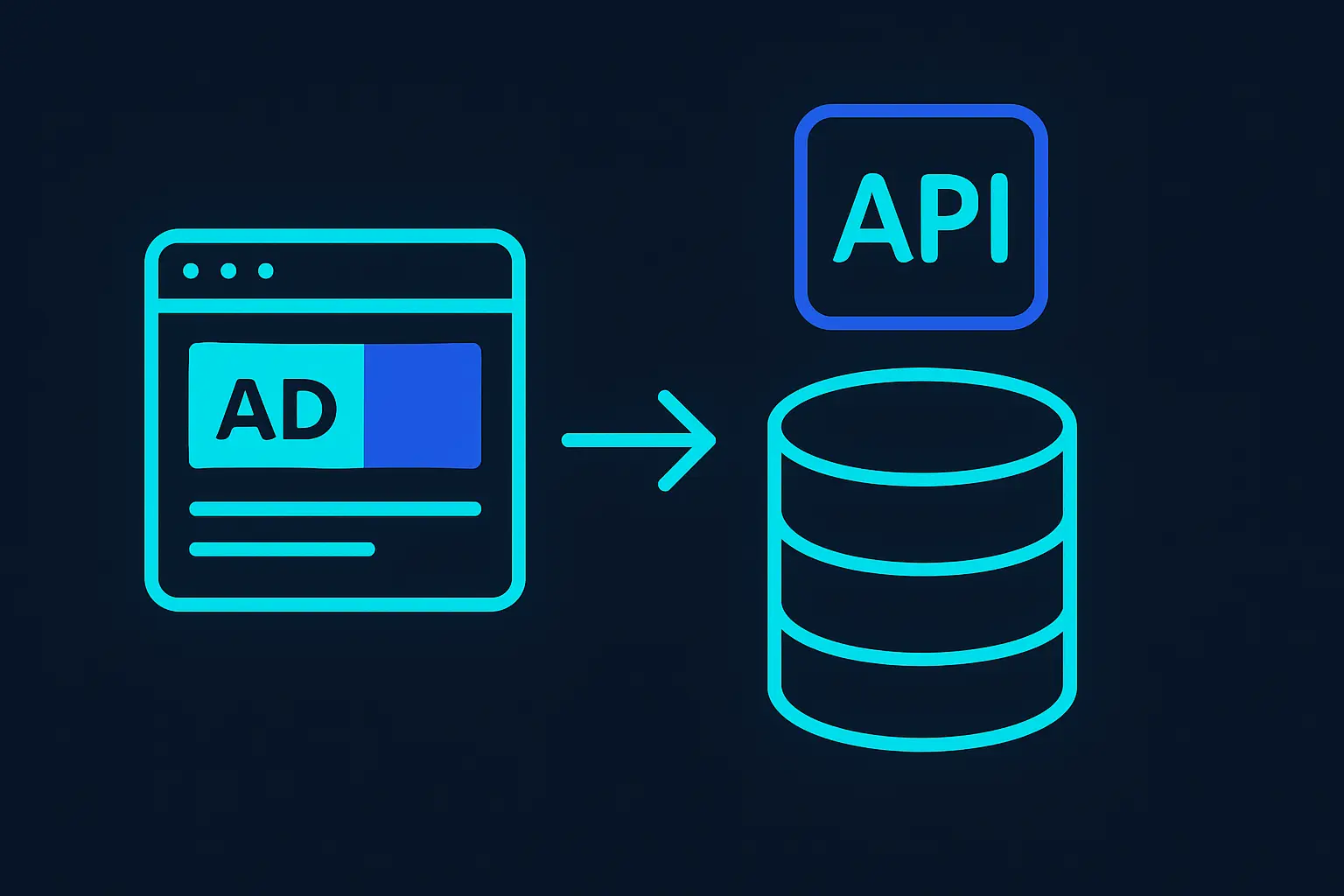
Within the Transparency Center, users can utilize search and filter functionalities to locate specific ads or advertisers. This interface features sorting capabilities that enable organizations to dissect ad information by different attributes, such as advertiser name, industry, or keywords. For developers looking to incorporate this data into their applications, accessing ad details programmatically is essential. Captapi provides an efficient solution to retrieve Google Ads data through its API for Google Ad Library Company Ads, offering structured JSON data for enhanced usability.
Furthermore, the Transparency Center supports detailed reports on advertiser verification. It offers information about the verification process that an advertiser has undergone, which is critical to ensuring that all ads meet Google's advertising guidelines and policies. As a result, users gain a transparent view into the accountability measures in place, further promoting fair advertising practices. By consistently updating ad listings and providing robust filtering options, the Google Ads Transparency Center serves as a powerful tool for users looking to analyze advertising trends and verify advertiser identity.
Using Captapi to Access Google Ads Data
Google's Ads Transparency Center provides valuable insights into advertisements across their search and display networks. Using Captapi, developers can programmatically access similar data from various social media advertising platforms with uniform JSON responses. This flexibility allows for integrated analysis and reporting across platforms beyond just Google's offerings.
Below is a code example illustrating how to use Captapi to retrieve ads-related data. This example demonstrates requests using both curl and Python.
# Using curl to access ad data via Captapi
curl -X GET "https://api.captapi.com/v1/ads?platform=google" \
-H "Authorization: Bearer YOUR_API_KEY" \
-H "Content-Type: application/json"
# Using Python and requests library to retrieve ad data via Captapi
import requests

url = "https://api.captapi.com/v1/ads"
headers = {
    'Authorization': 'Bearer YOUR_API_KEY',
    'Content-Type': 'application/json',
}
params = {
    'platform': 'google'
}

response = requests.get(url, headers=headers, params=params)
ads_data = response.json()
print(ads_data)
The JSON response provides structured data on the requested advertisements. For example:
{
    "ads": [
        {
            "id": "ad_12345",
            "platform": "google",
            "title": "Buy Shoes Online",
            "description": "Quality shoes at affordable prices",
            "media_url": "https://example.com/ad_image.jpg",
            "timestamp": "2023-10-15T12:30:00Z"
        }
    ],
    "status": "success"
}
Captapi's unified API key access allows developers to minimize the need for numerous platform-specific integrations, streamlining the process of accessing cross-platform ad data for analytics or compliance needs. Captapi supports queries to multiple platforms, offering a comprehensive solution for transparency in digital advertising efforts.
Comparison of Google Ads Transparency Center Features
The Google Ads Transparency Center provides a centralized view into the behavior and history of advertisers using Google's platform. Key features include insights into past ad campaigns, the ability to see all active ads from any advertiser, and access to specific information about ad targeting and spending. Comparable tools such as Facebook's Ad Library and TikTok’s Ad Transparency Center offer similar functionalities but differ in scope and depth of available data.
While Facebook's Ad Library lets users search for all ads still running across its platforms, it delves deeper into data such as demographics and geolocation targeting. TikTok provides access to ad creatives actively running in different regions, but it lacks historical data access available in Google’s tool. These features assist developers in analyzing ad spend and targeting strategies across platforms.
| Tool | Historical Data | Ad Targeting Info | Active Ads Viewer | Spending Details |
|---|---|---|---|---|
| Google Ads Transparency Center | Yes | Limited | Yes | Yes |
| Facebook Ad Library | No | Comprehensive | Yes | Partial |
| TikTok Ad Transparency Center | No | Basic | Yes | No |
Overall, while Google offers detailed insights, each tool features particular strengths. Developers can utilize these differences in data depth and type for better ad campaign analysis and optimization. The broader transparency offered by these tools assists in understanding and potentially mitigating discrepancies in advertising practices across platforms.
Benefits of Advertising Transparency
Advertising transparency delivers numerous benefits to both consumers and advertisers. For consumers, transparency in advertising fosters trust by providing clear insights into who is behind each ad and what data is being used to target them. This clarity helps users understand the purpose and relevance of the ads they encounter. By knowing which brands are reaching out to them, consumers can make informed choices and provide feedback, enhancing their overall user experience.
For advertisers, transparency enhances brand reputation and builds consumer trust. When companies are open about their advertising practices, they demonstrate integrity and responsibility, which can differentiate them from competitors who are less transparent. Additionally, transparency enables advertisers to analyze their ad performance with greater accuracy. By understanding audience feedback and responses, advertisers can optimize their campaigns to better meet consumer expectations, resulting in more effective advertising strategies.
- Increased consumer trust
- Enhanced brand reputation
- Improved ad performance analysis
- Better alignment with consumer expectations
Moreover, transparent advertising can contribute to a healthier digital ecosystem where ethical considerations are prioritized. This supports regulatory compliance and reduces the risk of misleading or fraudulent ads, protecting both consumers and legitimate advertisers from potential harm. As a result, transparency in advertising is a key component in fostering a fair and accountable marketplace where both consumers and businesses can thrive.

Applications of Ads Transparency for Developers
Access to ads transparency data offers developers numerous opportunities to enhance both research and marketing strategies. By leveraging detailed information about ad placements, sponsors, demographic targeting, and performance metrics, developers can craft more effective programmatic advertising tools and platforms.
One core application of this data is in competitive analysis. Developers can analyze competitors' advertising activities and strategies, identifying trends and patterns that help businesses differentiate their own campaigns. For instance, information on the frequency and reach of competitor ads can be pivotal for formulating more precise bids and targeting strategies.
Ads transparency data also enhances audience targeting capabilities. Developers can use insights into the demographics targeted by successful ads to refine algorithms that drive personalized ad recommendations and enhance consumer engagement. This is particularly useful in creating more dynamic and responsive advertising solutions that adapt to changing market conditions and consumer behaviors.
- Automated campaign optimization tools can utilize transparency data to adjust bids and budget allocations in real time.
- Developers building analytics platforms can integrate transparency data to offer deeper insights and benchmarking capabilities.
- Enhanced fraud detection measures can be implemented by identifying suspicious ad activity patterns.
Furthermore, transparency data supports academic research focused on digital marketing trends and consumer behavior analysis. Developers working on data analytics and visualization tools can facilitate this research by integrating ad transparency data into comprehensive datasets, offering clearer insights into ad influence and market dynamics. Overall, the strategic application of ads transparency data empowers developers to build more innovative and effective marketing technologies.
Frequently asked questions
What is the Google Ads Transparency Center?
The Google Ads Transparency Center is a resource that provides detailed information on the ads running across Google's network. It allows users to see who is running ads, which ads are currently running, and historical ad data. This tool is designed to increase accountability and visibility for users interested in understanding advertising practices.
How can I use the Google Ads Transparency API?
The Google Ads Transparency API allows developers to programmatically access data available in the Transparency Center. By using this API, you can integrate transparency data into your applications or systems, facilitating automated analysis or custom solutions. You must register for API access and comply with Google's use policy when using this service.
How do I access data on political ads?
Data on political ads is available through the Google Ads Transparency Center, where users can search for and view specific political ad campaigns and their details. The platform provides information such as the advertiser's identity, the start and end dates of an ad campaign, and funding sources. This transparency initiative helps ensure that political ad information is publicly accessible.
Is there a way to export ads data from Google?
Yes, Google provides options to export ads data directly from the Transparency Center. Users can download data in various formats for offline analysis or record-keeping. This feature aids researchers, journalists, and stakeholders interested in deeper investigations of advertising patterns and spends on the Google platform.