
Brightdata vs Apify: Web Scraping Tool Comparison
Comparison of Brightdata and Apify for Web Scraping
Brightdata and Apify are prominent tools for web scraping, each offering distinct features and capabilities. Brightdata is primarily known for its extensive proxy network. It provides a vast array of residential, data center, mobile, and ISP proxies, enabling developers to scrape data while avoiding IP bans. This network is substantial, making Brightdata an excellent choice for high-volume, distributed scraping projects where IP rotation is critical.
In contrast, Apify excels with its user-friendly platform, which is built around a task-based architecture. Developers can leverage Apify's ready-made actors—preconfigured scraping solutions for specific websites. This feature simplifies the setup process and reduces development time, especially for those aiming to quickly extract data from popular sites without deep technical involvement in building custom scrapers. Apify also supports the creation and deployment of custom actors using JavaScript or Python, offering flexibility for more personalized scraping tasks.
Both tools support headless browser scraping, allowing for interaction with websites that heavily rely on JavaScript for content rendering. However, Brightdata's infrastructure is particularly optimized for high-trafficked dynamic sites requiring significant data throughput. Meanwhile, Apify provides a straightforward developer experience with a focus on simplicity and accessibility, bolstered by an integrated platform for data storage and scheduling of scrapers.
While Brightdata is generally more suited for enterprises and large-scale operations due to its cost structure and powerful proxy management tools, Apify offers more flexibility for smaller projects and individual developers. Apify's transparent pricing allows developers to only pay for what they use, potentially lowering costs for sporadic or smaller-scale scraping needs.
- Brightdata: Best for large-scale scraping with robust proxy needs.
- Apify: Ideal for rapid deployment and smaller projects with ready-made solutions.
Ultimately, the choice between Brightdata and Apify depends on the project's scale, technical requirements, and budget constraints. Selecting the right tool requires an assessment of both current needs and future scalability to ensure the scraping solution aligns with business objectives.
Feature Overview
When evaluating web scraping tools, Brightdata and Apify are often considered due to their comprehensive feature sets. Both platforms offer robust solutions for data extraction but cater to slightly different needs and preferences based on their unique functionalities.
Brightdata, formerly Luminati, is known for its extensive proxy networks. It offers residential, data center, ISP, and mobile proxies, enabling users to access web data without geographic restrictions. Its Web Unlocker feature is designed to automatically bypass complex antibot systems, simplifying the process for users who need to collect data at scale. Brightdata also provides the Data Collector service, which allows users to configure and automate scraping tasks without requiring in-depth coding knowledge.
In contrast, Apify positions itself as a flexible platform for building data extraction and web automation tasks. Its key offerings include the Apify SDK, a crawler library designed to simplify the process of defining and executing scraping jobs. Apify also offers actors, which are containerized environments that run data extraction jobs in parallel, enhancing performance. Additionally, the Apify Store allows sharing and reuse of pre-built actors, which can help accelerate common web scraping tasks.
Overall, Brightdata excels in proxy management and seamless integration for large-scale web scraping, whereas Apify focuses on providing tools for building custom scraping workflows and automation scripts. For developers looking to explore other alternatives, comprehensive comparisons can be found at Captapi's alternatives page.
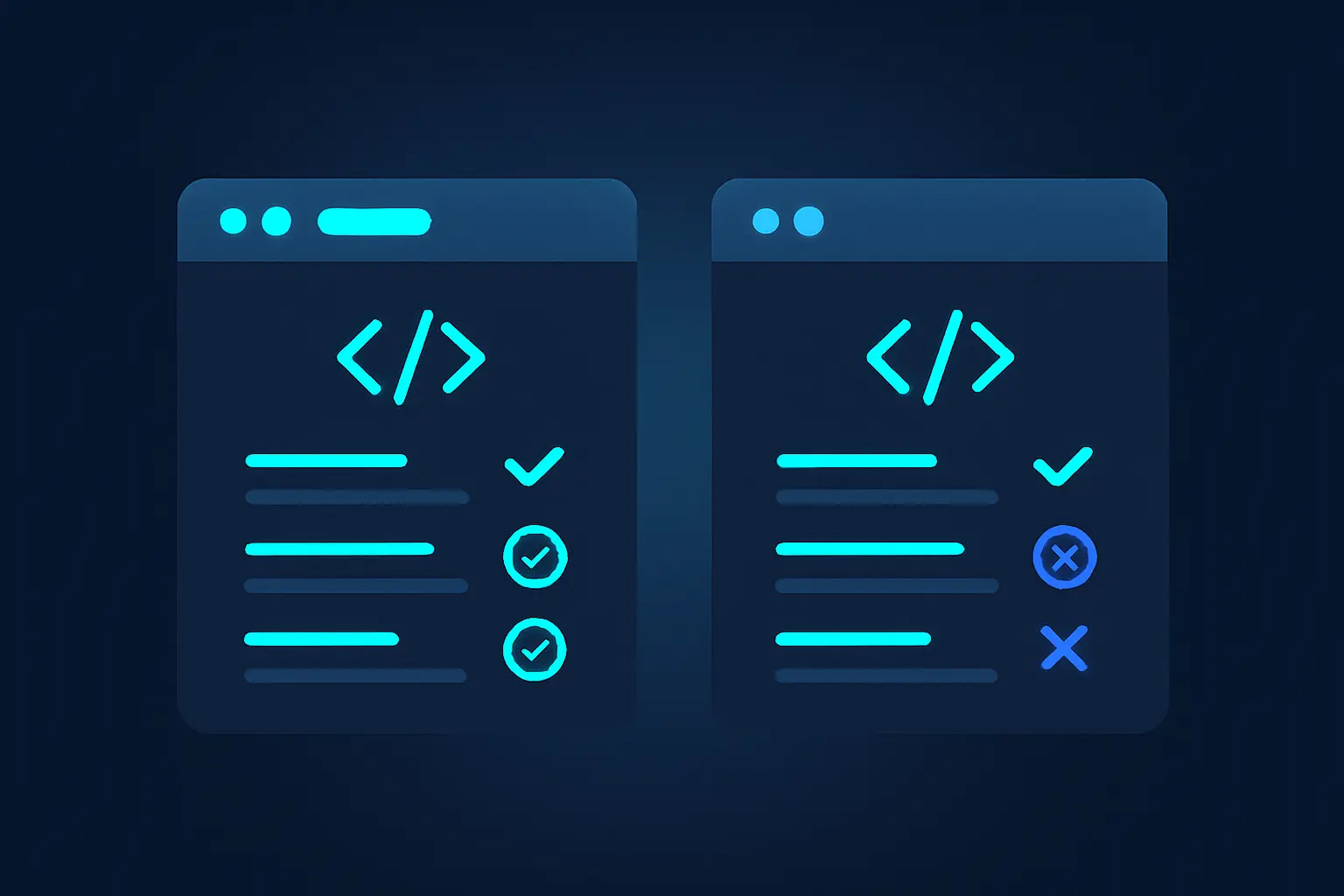
| Feature | Brightdata | Apify |
|---|---|---|
| Proxy Types | Residential, Data Center, ISP, Mobile | N/A |
| Web Unlocker | Yes | No |
| Data Collector | Yes | No |
| SDK for Custom Scraping | No | Yes |
| Community and Reusability | No | Apify Store for Actors |
Pricing and Subscription Plans
Brightdata and Apify both offer flexible pricing models tailored to accommodate various project scales and user needs. Understanding their differences is crucial to determine the most cost-effective solution for your web scraping requirements.
Brightdata employs a consumption-based pricing model, charging primarily based on the amount of data processed and the type of proxy service used. Users pay for the bandwidth consumed, with prices starting at $0.50 per gigabyte for residential IPs. Brightdata's pricing can escalate depending on the complexity and volume of data traffic required, making it suitable for larger projects with extensive data needs. They also offer dedicated account managers and technical support, which can add value for enterprises requiring personalized assistance and higher service levels.
On the other hand, Apify offers a more straightforward subscription-based pricing model. Users can choose from several predefined plans based on the number of computing resources and storage they need. The starter plan, priced at $49 per month, includes up to 100,000 Actor runs and 10 GB of storage. For larger volumes, the standard plan at $149 per month and the business plan at $499 per month offer increased capacity and added features such as prioritized support and enhanced scheduler capabilities. Apify's model is transparent and predictable, giving users a clear understanding of monthly expenses without unexpected data transfer costs.
- Brightdata: Consumption-based, starting at $0.50/GB for residential IPs.
- Apify: Subscription plans from $49/month to $499/month.
For small-scale projects or those with fixed budgets, Apify's clear subscription tiers might offer better predictability and control over costs. Conversely, for enterprise-level projects or those with fluctuating data needs, Brightdata's consumption-based model may provide greater flexibility and scalability. Selecting the right plan requires assessing project requirements, expected data transfer volume, and the importance of additional services like customer support and custom solutions.
Use Cases and Flexibility
Brightdata and Apify offer diverse functionalities to cater to a variety of web scraping demands, though they approach these tasks in different manners due to their unique strengths and specialties.
Brightdata is particularly recognized for its extensive proxy network, making it an excellent choice for scraping tasks that require a high degree of anonymity and broad geographic reach. This capability is crucial for use cases such as price monitoring, product comparison, and ad verification, where the ability to bypass geo-restrictions or avoid IP bans is important. Brightdata's infrastructure can handle large-scale operations, supporting complex scraping tasks that demand a robust and reliable proxy service.
Apify, on the other hand, distinguishes itself with its focus on customizability and ease of automation. It is well-suited for tasks that benefit from tailored workflows and integrations. Apify provides a platform where users can create 'actors'—custom cloud programs—for various scraping and data processing needs. These actors offer significant flexibility for more intricate use cases, such as transforming raw data into structured formats or conducting asynchronous data collection. The user-friendly nature of Apify makes it particularly appealing for startups and smaller teams that need adaptable and precise data extraction solutions without dealing with complex backend setups.
- Data aggregation from multiple sources
- Lead generation from business directory scraping
- Competitive analysis through social media and news site monitoring
Both platforms support the integration of their services into existing systems through rich APIs, but the choice between them often hinges on the specific technical needs and team expertise. While Brightdata is ideal for applications needing robust proxy support and scaling, Apify's strength lies in its process automation and actor-based customization, catering to developers who require a more modular and programmable approach to web scraping.
Sample Code for Integration
Integrating with Brightdata and Apify often begins by sending HTTP requests to their respective APIs. Here, we provide example code for a basic GET request using both curl and Python, which retrieves data from these platforms.
Brightdata Integration
To interact with Brightdata API, you'll need your API token. Below is a curl command and corresponding Python script to fetch web scraping data:
curl -X GET "https://api.brightdata.com/dca/v1/data?dataset=web_data" \
-H "Authorization: Bearer YOUR_API_TOKEN"
import requests

url = "https://api.brightdata.com/dca/v1/data?dataset=web_data"
headers = {
    "Authorization": "Bearer YOUR_API_TOKEN"
}

response = requests.get(url, headers=headers)

print(response.json())
The JSON response from Brightdata might look something like this:
{
  "status": "success",
  "data": [...]  // Array of retrieved data elements
}
Apify Integration
For Apify, you'll also need an API token. Use the following examples to initiate a request to the Apify API:
curl -X GET "https://api.apify.com/v2/actor-tasks/TASK_ID/runs" \
-H "Authorization: Bearer YOUR_API_TOKEN"
import requests

url = "https://api.apify.com/v2/actor-tasks/TASK_ID/runs"
headers = {
    "Authorization": "Bearer YOUR_API_TOKEN"
}

response = requests.get(url, headers=headers)

print(response.json())
The JSON response from Apify might appear as follows:
{
  "status": "RUNNING",
  "data": {...}  // Details of the run
}
Remember to replace YOUR_API_TOKEN with your actual API key and adjust parameters as necessary for your specific use case. Both platforms support extensive customization options, so consult their documentation for deeper integration details.
Pros and Cons
Both Brightdata and Apify are well-regarded choices for web scraping, but each has distinct advantages and challenges.
Brightdata Pros:
- Diverse Proxy Network: Brightdata offers an expansive proxy network with multiple types (residential, mobile, datacenter) that enhances anonymity and accuracy.
- High Customizability: Users can tailor their scraping configurations extensively, allowing for very targeted data extraction.
- Strong Documentation and Support: Comprehensive documentation and robust customer support are frequently praised, helping developers troubleshoot efficiently.
Brightdata Cons:
- Complex Pricing Structure: Brightdata's pricing can be intricate, leading to unexpected costs for those unfamiliar with its usage-based billing.
- Steeper Learning Curve: The breadth of features may overwhelm new users, requiring a significant time investment to gain proficiency.
Apify Pros:
- User-Friendly Interface: Apify is known for its intuitive interface, making it accessible for developers of all skill levels.
- Pre-Built Actors: The availability of a wide range of pre-built actors simplifies common scraping tasks and reduces setup time.
- Affordable Pricing Tiers: Compared to some competitors, Apify's straightforward pricing is budget-friendly, particularly for small to mid-sized projects.
Apify Cons:
- Limited Proxy Options: Unlike Brightdata, Apify offers fewer proxy choices, which may impact the ability to bypass geographic restrictions or handle high volumes.
- Scalability Concerns: Some users report challenges in scaling up projects as needs grow, which may limit its use for very large-scale scraping operations.
Choosing between Brightdata and Apify depends significantly on project requirements. Those needing extensive proxy capabilities may favor Brightdata, while users prioritizing ease-of-use and cost-efficiency might find Apify more suitable. Both platforms have their unique strengths and are valued by different types of users and projects.
When to Consider Captapi
Captapi provides a streamlined solution for developers seeking to access social media data across multiple platforms without the complexity of building custom scrapers for each site. If your primary requirement is to aggregate data from a wide array of social media services, Captapi delivers with support for 27 platforms, including popular ones like YouTube, TikTok, Instagram, and X. The ability to access profiles, posts, comments, transcripts, and AI summaries from a single API reduces the complexity inherent in managing multiple scraping scripts or services.
Choosing Captapi might be particularly advantageous in scenarios where rapid deployment and maintenance efficiency are critical. Developers can leverage a single API key to authenticate across all available platforms, drastically simplifying the integration process. The provided data is returned as clean JSON, which minimizes the need for extensive data cleaning or parsing, allowing for easier and faster development cycles.
One of the distinct benefits of Captapi lies in its free tier, which offers 100 credits without requiring a credit card. This makes it an appealing option for developers and businesses looking to prototype or explore data collection strategies before committing to a paid plan. Additionally, with comprehensive documentation at captapi.com/docs, developers can quickly familiarize themselves with its functionality and capabilities.
- Access to 27 popular social media platforms.
- Simple authentication with a single API key.
- Data returned in clean JSON format.
- Free tier includes 100 credits at no cost.
- Comprehensive documentation available online.
If your focus extends beyond merely scraping web pages and includes utilizing structured data from diverse social media sources, Captapi stands out as a versatile tool. Whether you're building data analytics applications, social media listening solutions, or simply need to access real-time social media metrics, Captapi offers a reliable and efficient pathway to streamline your data acquisition processes.
Frequently asked questions
Is Brightdata a legit company?
Yes, Brightdata is a legitimate company that specializes in providing data collection services and tools. It is widely recognized in the industry and operates under legal compliance standards. They offer a range of services tailored to web scraping and data acquisition.
Which platform is more cost-effective for larger datasets?
The cost-effectiveness of Brightdata versus Apify depends on the specific requirements of the project, including data volume and frequency of access. Brightdata tends to offer more scalable solutions for very large datasets, but pricing can vary significantly based on the proxy or data scraping solutions used. Apify offers more fixed pricing models which might be advantageous for predictable workloads.
What are the key differences in customization options between Brightdata and Apify?
Brightdata provides extensive customization options primarily focused on proxy configurations and network settings, allowing detailed control over data acquisition. Apify, on the other hand, offers a broader range of script-based customization through its platform, enabling users to write custom actors or functions to tailor data extraction processes specifically to their needs. Each platform has unique strengths in customization depending on the use case.
How do Brightdata and Apify handle anti-bot measures in scraping?
Brightdata uses a global proxy network to distribute requests, effectively evading many anti-bot measures deployed by websites. This network includes residential, mobile, and data center proxies. Apify approaches anti-bot challenges by allowing users to develop custom scraping scripts that can dynamically adapt to changes in website structures and bot protections, often leveraging headless browsers for more human-like interactions.